
The allure of the environment
The design of a casino goes beyond mere aesthetics; it is a meticulously crafted environment rooted in psychological principles. From the moment guests step inside, they are enveloped in a space designed to evoke specific emotions and behaviors. Warm colors, ambient lighting, and intricate decor combine to create an inviting atmosphere that encourages guests to linger. This psychological allure is intentional, aimed at capturing potential gamblers’ attention and drawing them into a world that feels both thrilling and safe. In fact, many patrons compare their experiences to the offerings at the best sports betting sites canada , as casinos understand that the emotional response elicited by the environment can significantly influence spending behaviors.
Furthermore, the thematic elements of a casino play a crucial role in enhancing the allure of the environment. Many casinos utilize themes that transport guests to different places or eras, creating an immersive experience that heightens the sense of escapism. For instance, a tropical-themed casino may feature lush greenery and beach-inspired decor, allowing visitors to momentarily escape their everyday lives. This emotional engagement encourages patrons to relax and indulge, making them more likely to spend time—and money—within the establishment. The goal is to create a world where guests can forget their worries and fully embrace the thrill of gambling.
The strategic layout of a casino is another vital aspect of its design, significantly impacting the psychological experience of guests. Designers often create a maze-like structure filled with gaming areas, bars, and attractions that encourage exploration. This design encourages guests to wander from one area to another, leading them to lose track of time. By carefully manipulating space and flow, casinos can guide patrons into a spending mindset, making the environment a key player in their overall experience. The combination of enticing visual elements and strategic layout fosters an atmosphere conducive to prolonged engagement and spending.
The soundscape and sensory stimuli
Sound is a pivotal factor in shaping the casino experience, influencing guest behavior in various ways. The rhythmic sounds of slot machines ringing, combined with the cheers of winners at table games, create an auditory landscape that evokes excitement and anticipation. This carefully curated soundscape enhances the emotional atmosphere, where each auditory cue contributes to the overarching narrative of chance and victory. Such stimuli can elevate feelings of euphoria, making guests more inclined to continue their gambling endeavors as they become immersed in this lively environment.
Moreover, the strategic use of music within casinos enhances the gaming experience. Research indicates that upbeat tempos can stimulate faster play, while soothing melodies may encourage patrons to linger longer at tables or machines. This manipulation of sound serves to enrich enjoyment and strategically increase spending. Guests may find themselves absorbed in the ambiance, losing track of time and money spent as they chase the thrill of potential wins. The sound environment is carefully orchestrated to keep players engaged and energized throughout their visit.
In addition to auditory elements, the olfactory aspect of a casino is a significant factor that impacts guest behavior. The enticing scents of freshly baked pastries or aromatic coffee can evoke feelings of comfort, encouraging guests to stay longer and enjoy their surroundings. Some casinos go a step further by employing signature scents that are subtly infused into the air, creating a unique identity that guests associate with their experience. These sensory details work together to craft an immersive environment that leaves a lasting impression, enticing guests to return time and again.
The psychology of winning and losing
The perception of winning is a powerful motivator in gambling behavior, and casino design exploits this psychological phenomenon to enhance the gaming experience. By prominently showcasing winning moments—such as jackpot celebrations or flashing lights of winning machines—casinos create an environment that emphasizes frequency over the magnitude of wins. This phenomenon, known as the “illusion of control,” reassures players that winning is within reach, fostering an optimistic mindset that encourages them to continue playing. This psychological tactic is central to maintaining the excitement and engagement of patrons.
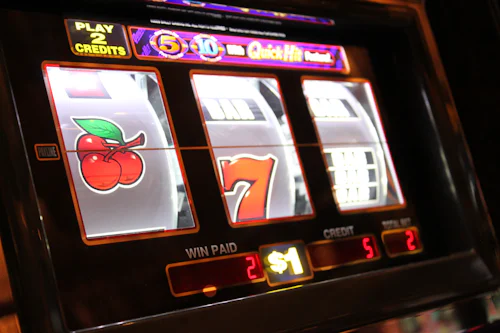
Conversely, the psychology of losing is also addressed in casino design. Losses are often reframed in ways that motivate players to keep gambling. For example, casinos frequently incorporate machines that feature near-miss results, where players are just one symbol away from a jackpot. These almost-wins enhance the feeling of hope and increase the likelihood that players will believe that their next round could be the winning one. This clever design tactic taps into the emotional rollercoaster of gambling, ensuring that patrons remain engaged even during periods of loss.
Moreover, the social aspect of gaming plays a critical role in mitigating the experience of loss. Group dynamics, such as those found in poker games or collaborative slot machines, create a sense of camaraderie among players, making losses feel less personal. The design of these social gaming areas encourages interaction, fostering an environment where losses become shared experiences rather than solitary disappointments. By emphasizing community and collective experiences, casinos can maintain excitement and engagement among patrons, even when faced with unfavorable outcomes.
Formatting for flow and navigation
The layout and flow within a casino are meticulously planned, aiming to maximize guest engagement and spending. Designers create pathways that invite exploration while providing visual stimuli that captivate the eye. For instance, high-stakes tables are often strategically placed in prominent areas, allowing guests to observe and engage with the action, enticing them to join in. This visual hierarchy is crucial in guiding players through the various sections of the casino, ensuring they encounter the most profitable games and attractions throughout their journey.

Additionally, the strategic positioning of amenities such as bars, restaurants, and lounges significantly enhances the overall experience. These facilities are often interspersed throughout gaming floors, providing guests with convenient resting spots that encourage them to extend their stay. The integration of dining and entertainment options ensures that patrons have numerous reasons to remain on the premises, leading to increased spending in both gaming and food and drink. This cohesive design strategy creates a seamless experience where guests feel entertained and well-catered to.
Clear signage and effective wayfinding are also essential components in guiding guests throughout the casino. Strategically placed signs provide necessary information about the surroundings while maintaining the alluring atmosphere of the venue. By minimizing confusion and frustration, visitors are more likely to invest their time and money within the space rather than feeling lost or overwhelmed. This attention to flow and navigation highlights the thoughtful consideration behind casino design, ensuring an enjoyable experience that maximizes both engagement and profitability.
Understanding the impact on online casino experiences
As the gambling landscape continues to evolve, the principles of casino design are increasingly being applied to online platforms. Digital casinos aim to replicate the sensory experiences of physical venues, creating immersive environments that capture the essence of gaming. The use of vibrant graphics, animated features, and engaging sound effects helps to transport players into a virtual space where they can escape reality, mirroring the excitement of traditional casinos. This parallel reinforces the psychological principles of attraction and engagement in a digital context, making online platforms compelling destinations for players.
The user interface and experience of online casinos reflect a strategic approach akin to that of physical locations. Designers prioritize intuitive navigation and seamless transitions between games to retain players’ attention and encourage spending. The strategic placement of promotions and incentives is carefully planned to draw attention and prompt action, mirroring the layout strategies of brick-and-mortar casinos. By combining attractive visuals with user-friendly design, online casinos create enjoyable experiences that promote extended play among patrons.
Moreover, the psychological aspects of winning and losing seamlessly transition into the digital realm. Online casinos utilize notifications for wins, bonuses, and achievements to replicate the celebratory atmosphere of physical venues. Players are continuously reminded of their potential for success, which keeps their excitement alive and motivates them to continue playing. Understanding these psychological strategies is crucial for designing online platforms that not only attract new users but also enhance engagement and retention over time, allowing them to thrive in a competitive landscape.